The World Cup is just around the corner! As the countdown gets closer to zero, zerozero is stepping up to introduce the 48 participating national teams through 12 articles — one for each group in the competition. Learn more about each nation, including their likely starting XI and some of the key names to watch. Come with us!
This may not be the most high-profile group at the World Cup, but it is certainly one of the hardest to predict. None of the four teams enters as a leading title contender, yet all arrive in the Americas believing that the Round of 16 is within reach — with varying degrees of difficulty.
The host United States carry the pressure of a project built over years with this tournament in mind. Turkey returns to the World Cup for the first time since 2002 and brings a generation that has excited passionate Crescent-Star fans. Paraguay is back on the big stage thanks to Gustavo Alfaro’s work and the recovery of a competitive identity that seemed to have been lost. Australia, meanwhile, continues to make a habit of reaching the final tournament and dreams of a historic run.
With four continents represented and very different styles on display, Group D promises an intense battle right through to the final matchday. And if there is one easy conclusion to draw, it is this: no one would be surprised by any combination of teams advancing.
United States
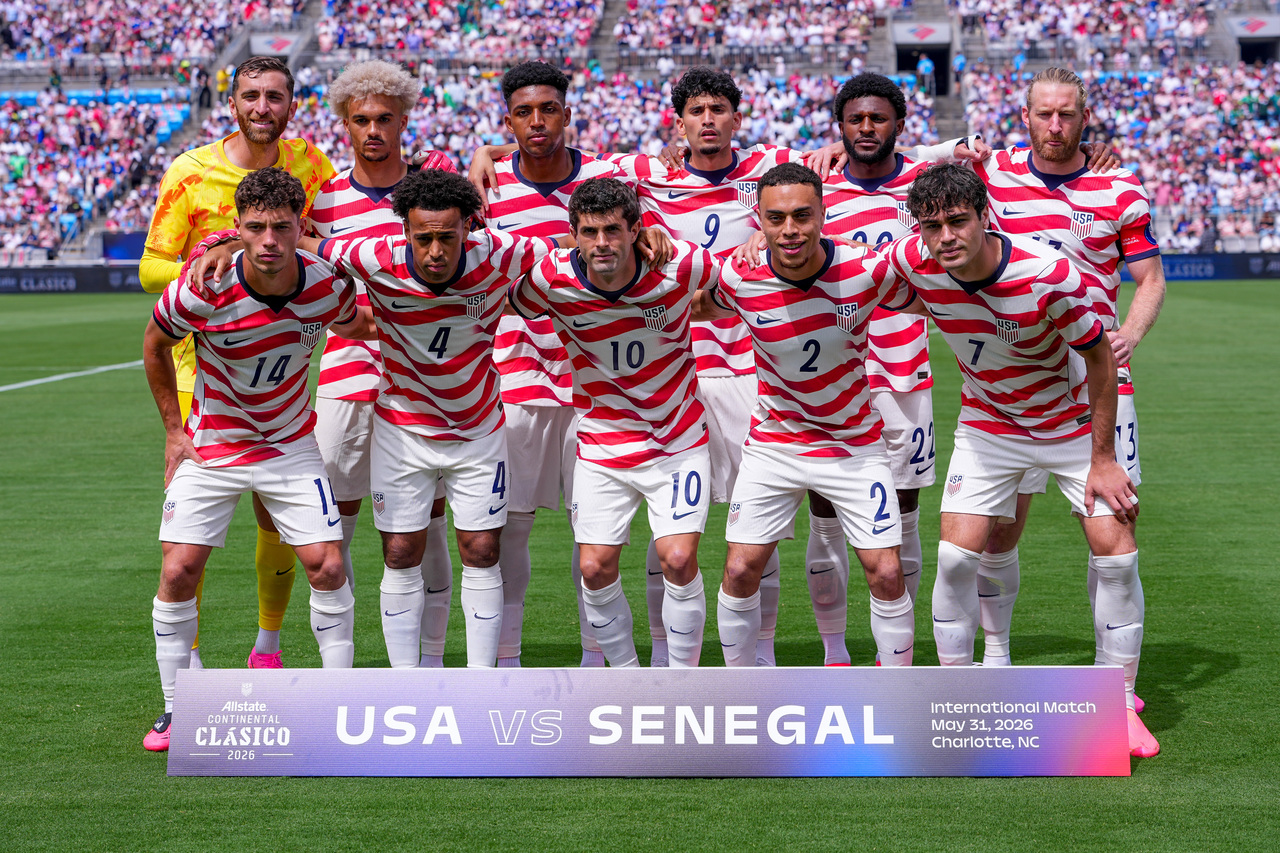
@Getty / Robin Alam
Number of appearances: 11
Best finish: third place (1930)
For years, U.S. soccer has pointed toward the summer of 2026. The generation of Christian Pulisic, Weston McKennie, Tyler Adams and Timothy Weah grew up with this World Cup on the horizon and is finally arriving at the moment it was built for.
The growth of the game in the country is clear. MLS has become more competitive, players are moving to Europe earlier, and the national team now has a depth it rarely had in the past. Even so, talent alone has never been enough to erase some doubts. The United States are still searching for a truly landmark run at a modern World Cup — their best finish came in the very first edition of the tournament.
The hiring of Mauricio Pochettino was another sign of the ambition in place. The Argentine coach was brought in to turn potential into results and knows that few hosts will face as much pressure as this team. Playing at home is an advantage, but it also brings responsibility.
The coach - Mauricio Pochettino
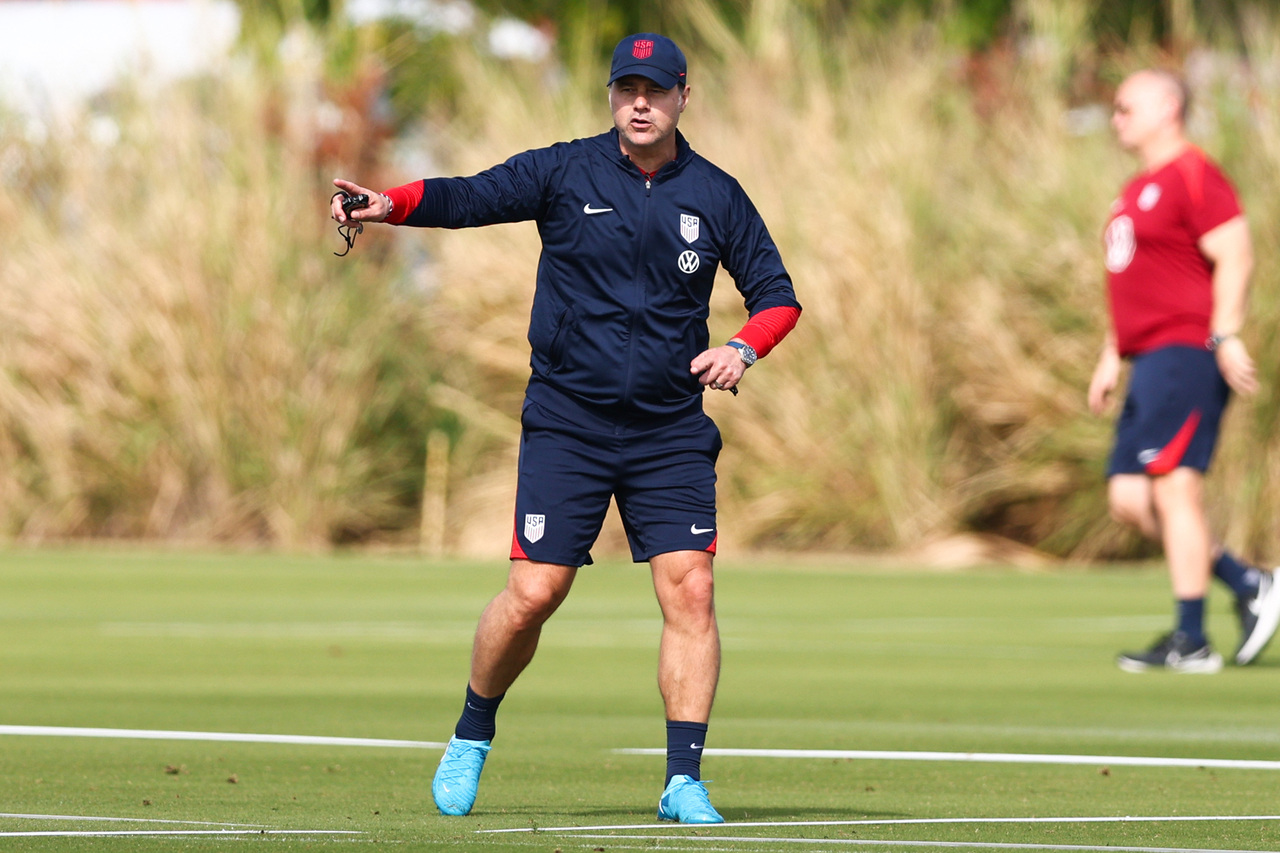
First experience with a national team @Getty / Megan Briggs
After spells at Espanyol, Southampton, Tottenham, Paris Saint-Germain and Chelsea, Mauricio Pochettino took on the challenge of leading the U.S. national team. The goal is simple to explain and hard to achieve: take the United States further than most expect. His experience in high-pressure environments was one of the reasons behind his appointment. Even so, the build-up to the World Cup has not always been smooth, and there are still doubts about the team’s identity and the ideal system. Pochettino is still searching for the right balance, but Americans believe they have the right coach on the bench to handle the tournament’s decisive moments.
The star - Christian Pulisic
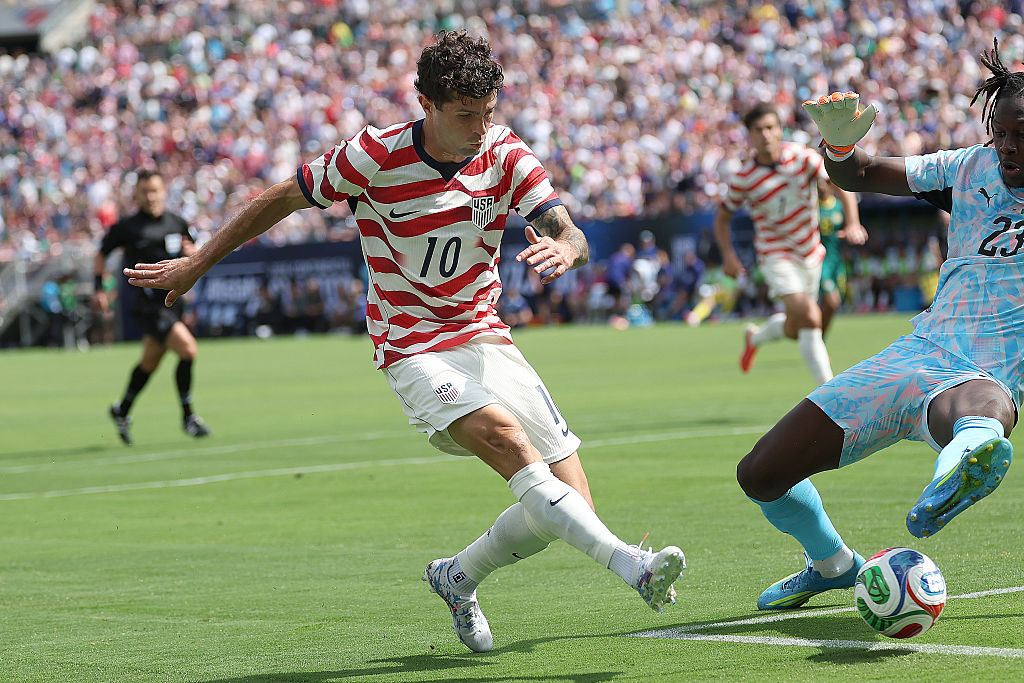
Captain of the United States. @Getty Images
He remains the face of U.S. soccer. Captain, leader and one of the most recognisable figures in the national team, Pulisic arrives at the World Cup in a mature stage of his career and with the responsibility of guiding the side through its toughest moments. In a group full of players active in Europe’s top leagues, he remains the one most likely to find solutions when matches get complicated. Capable of beating defenders one-on-one, creating space where none seems to exist and deciding games with a single technical action, he naturally carries huge pressure. He is the symbol of this generation, and few players will carry as much of their team’s hopes on their shoulders.
One to watch - Malik Tillman

One of U.S. soccer’s biggest prospects.
Malik Tillman’s rise has been one of the best pieces of news for the United States. The attacking midfielder adds creativity and unpredictability to a team that can sometimes rely too heavily on its best-known names. Born and developed in Germany, he chose to represent the United States after a long decision-making process and has become one of the team’s emerging figures. His recent breakthrough at the highest level and his ability to create chances between the lines have made him an increasingly important player. Quiet off the pitch, he stands out for the opposite reason when the ball is at his feet.
Other key players: Weston McKennie (Juventus), Tyler Adams (Bournemouth), Sergiño Dest (PSV), Folarin Balogun (Monaco), Ricardo Pepi (PSV) and Timothy Weah (Marseille)
Paraguay
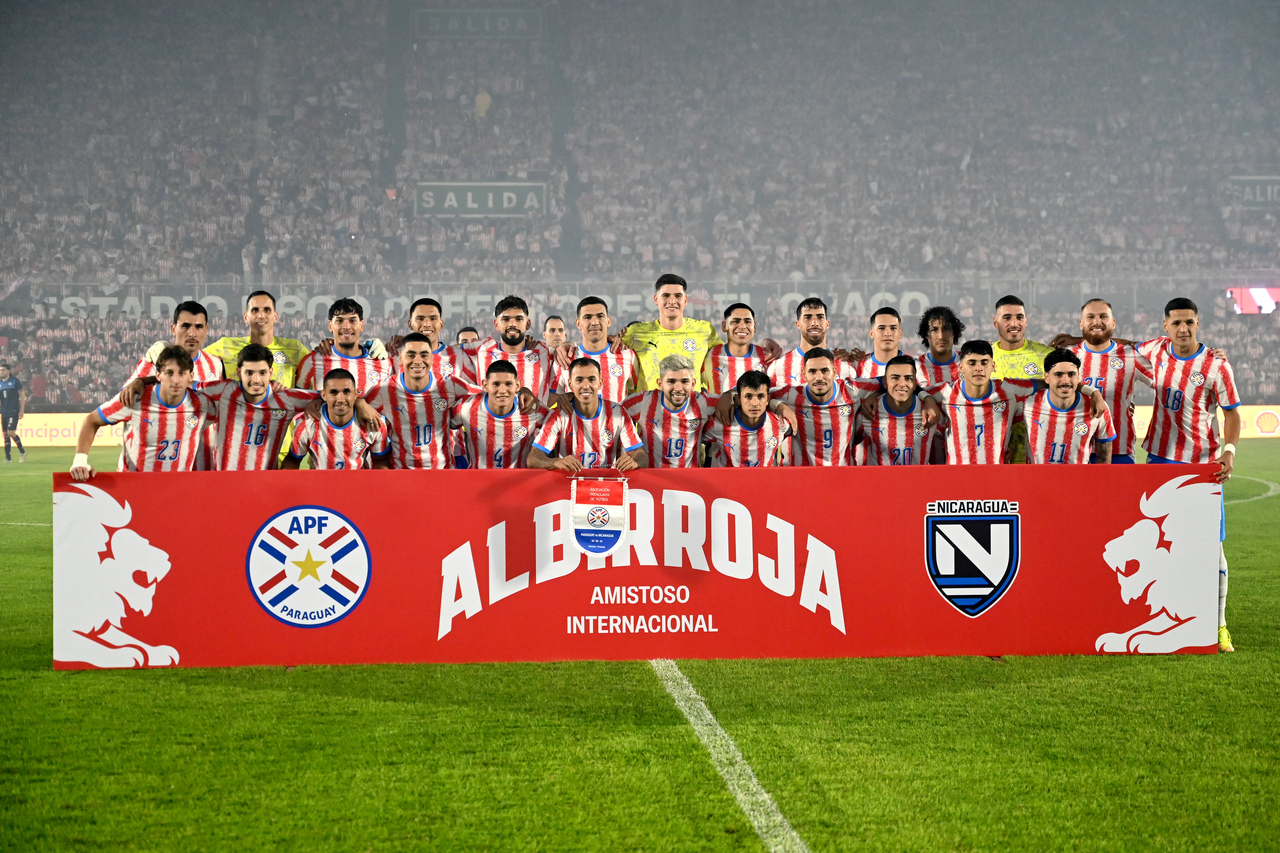
@Getty / Christian Alvarenga
Number of appearances: eight
Best finish: quarter-finals (2010)
For a long time, talking about Paraguay meant talking about the memories of 2010. The quarter-finals in South Africa — when Cardozo and Roque Santa Cruz were still there — remained the last great reminder of a team that spent more than a decade away from World Cups and unable to find a clear direction.
That changed with Gustavo Alfaro. The Argentine coach restored confidence to a group that seemed destined for international irrelevance and built one of the most impressive campaigns in South American qualifying. Paraguay became competitive again, hard to beat again and hopeful again.
It may not have the individual brilliance of some other teams from the same continent, but it remains an extremely awkward side to face. Organised, intense and comfortable in tight matches, it arrives at this World Cup with enough arguments to fight for qualification until the end.
The coach - Gustavo Alfaro
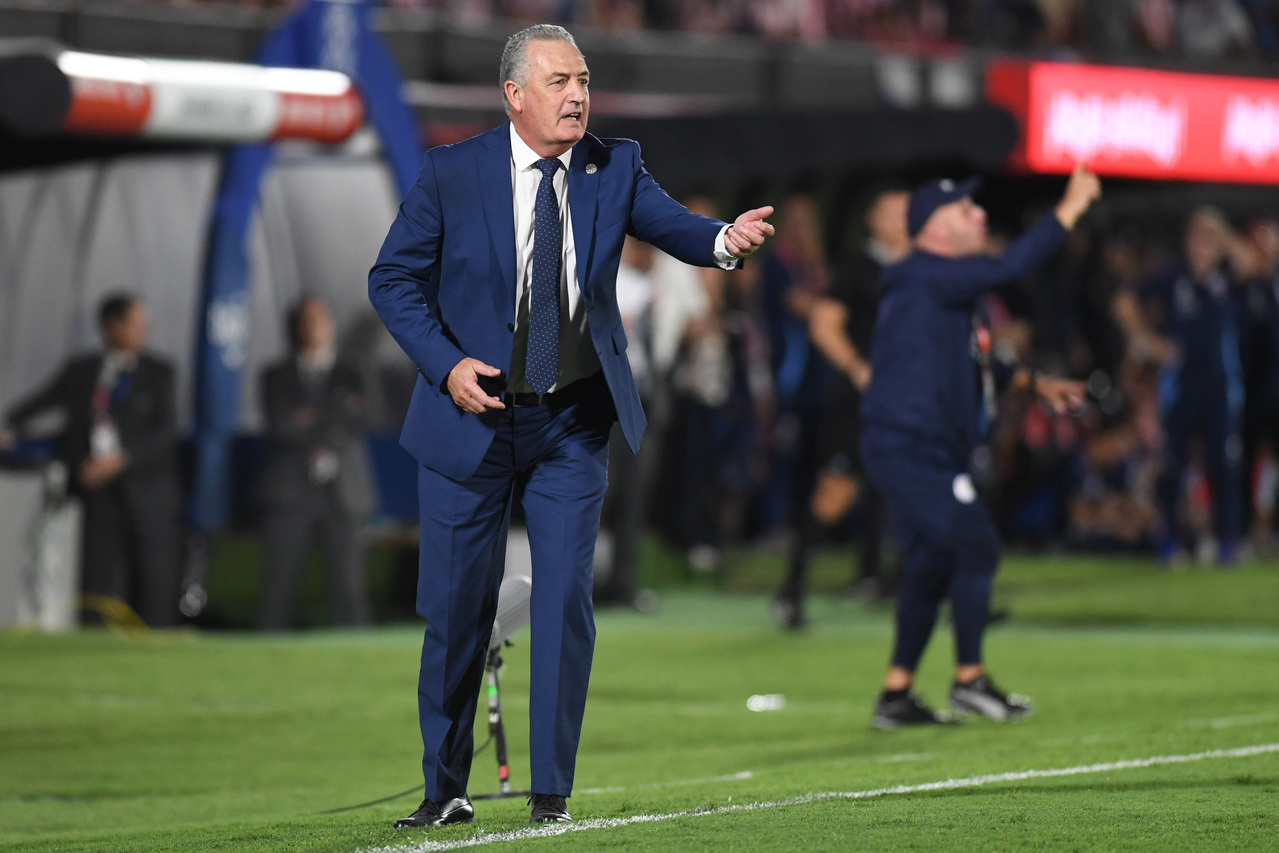
Experienced Argentine coach. @Getty / CHRISTIAN ALVARENGA
Few coaches have had such an immediate impact on a South American national team in recent years. Gustavo Alfaro took over a side lacking confidence, gave it back its identity and led it to its first World Cup since 2010. The Argentine coach rebuilt the team around what he calls the “Paraguayan DNA”: intensity, aggression, competitiveness and defensive solidity. Paraguay scored fewer goals than most of its South American qualifying rivals, but made up for that with organisation and the ability to survive in balanced matches. Twelve years later, the country believes again — holiday included.
The star - Gustavo Gómez
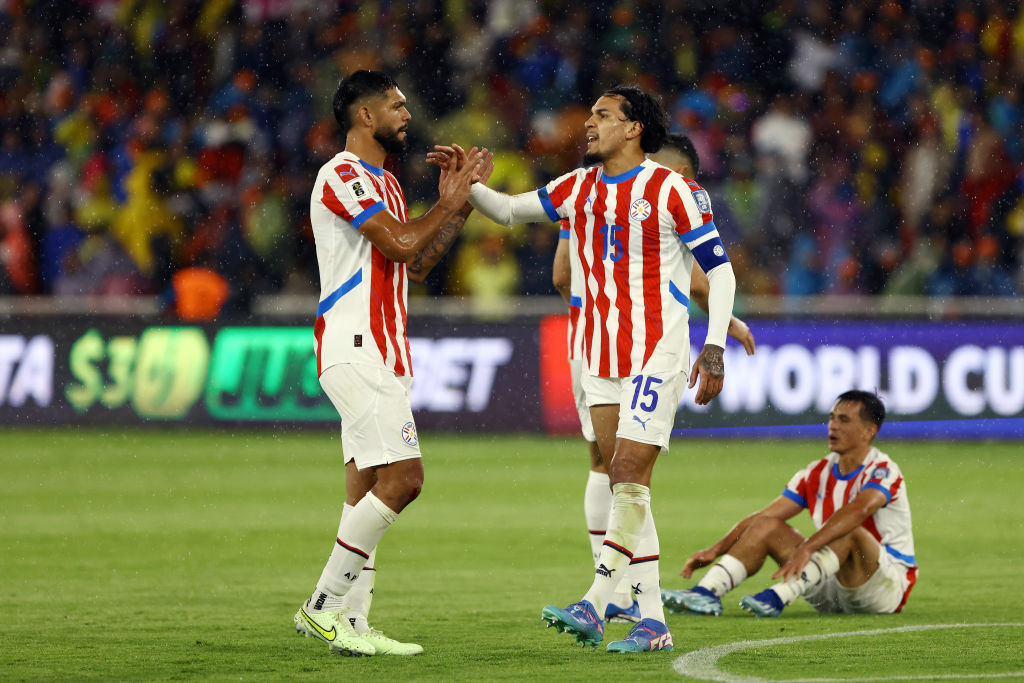
The main reference point of this team. @Getty /
Captain, leader and the team’s undisputed reference. The Palmeiras centre-back has for several years been one of the most respected players in South American football and perfectly embodies this team’s competitive character. His emotional connection to the colours he represents helps explain his importance. After winning the Copa Libertadores with Palmeiras, Gómez even admitted he would trade every title in his career for a World Cup appearance with Paraguay. Strong in the air, aggressive in duels and a constant voice on the pitch, he is the symbol of a team that has found its way back.
One to watch - Julio Enciso
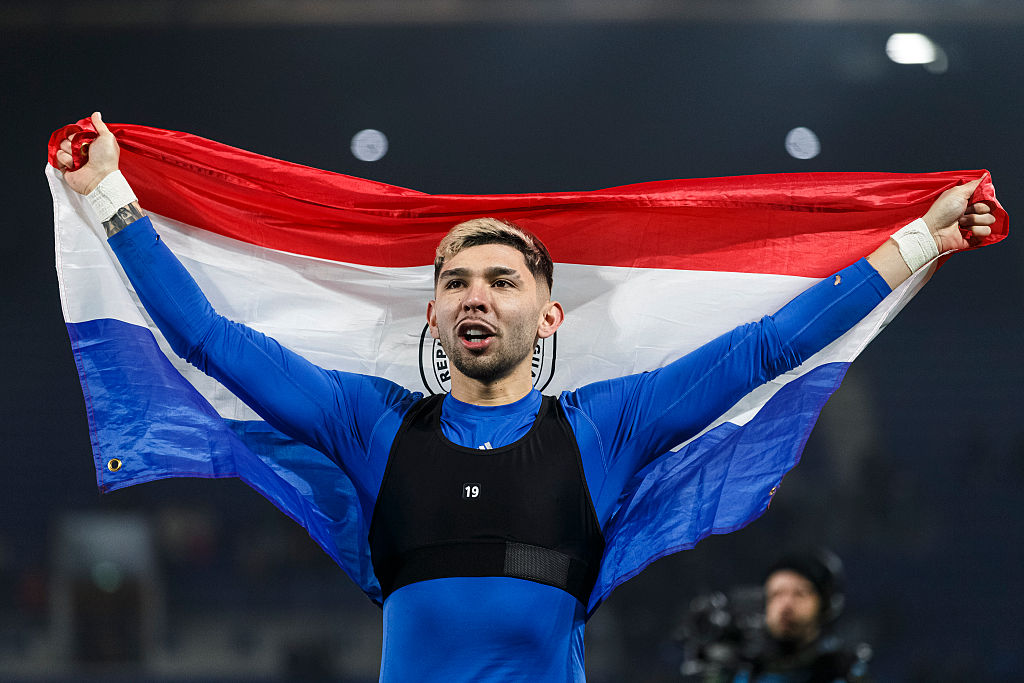
Paraguay’s latest gem @Getty /
The most exciting attacking talent in Paraguayan football. Still young, but already with top-level experience, Enciso has the ability to offer something this team has not always had: creativity and unpredictability near the opposition box. His story helps explain why he is so loved by fans. He made his top-flight debut in Paraguay at just 15, joined the national team at 17 and promised his grandfather that one day he would play in a World Cup. His grandfather never got to see him fulfil that promise, but Enciso now carries that memory to the United States. After spells at Brighton and Strasbourg, he arrives at the tournament as Paraguay’s main attacking hope.
Other key players: Miguel Almirón (Atlanta United), Diego Gómez (Brighton), Omar Alderete (Getafe), Andrés Cubas (Vancouver Whitecaps) and Ramón Sosa (Nottingham Forest).
Australia
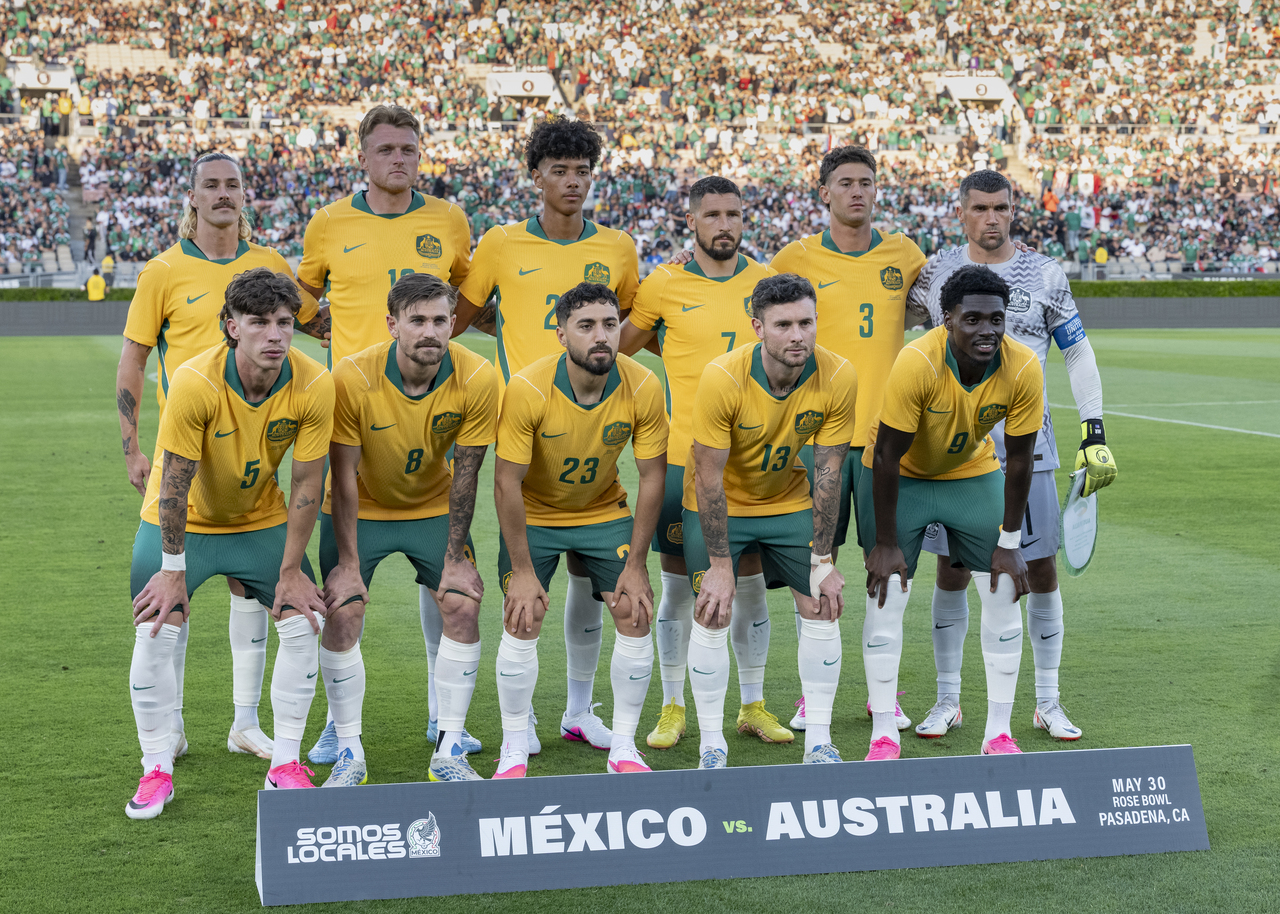
@Getty / Seth Greenberg/ISI Photos
Number of appearances: six
Best finish: Round of 16 (2006 and 2022)
Since 2006, Australia has missed only one World Cup. Along the way it changed confederation, renewed generations and lost some of the biggest names in its history, but kept one rare trait: it is almost never as weak as it looks on paper.
The Socceroos have built a reputation based on collective discipline and the ability to compete against theoretically stronger opponents. In 2022 they reached the Round of 16 and pushed eventual champions Argentina to suffer until the very last minutes to advance.
The current generation may not have a Tim Cahill, but it still knows its strengths and makes life difficult for opponents. And in a tournament like this, that usually counts for more than the usual labels of “favourites.”
The coach - Tony Popovic
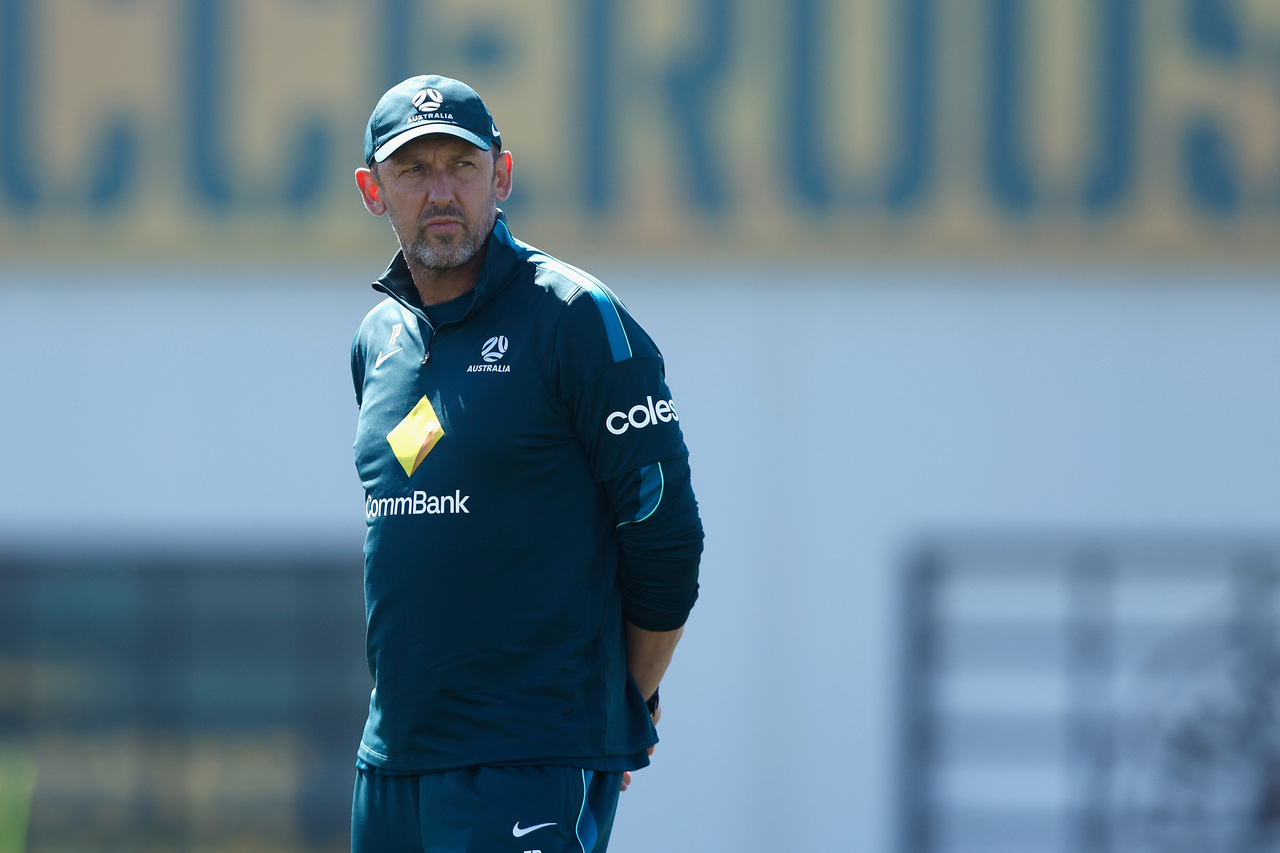
This is his third year as head coach @Getty / Lachlan Cunningham
A former Australian international, Tony Popovic took over during the qualification cycle and became the first Australian to play and coach at a World Cup. His teams usually reflect the player he was: highly organised, intense and competitive. His arrival also brought some visible changes. Australia has become harder to beat and has regained the consistency that has often allowed it to exceed expectations in major tournaments. Popovic is trying to shake off the image of an eternal outsider, but he knows that much of this team’s chances will still depend on its ability to compete better than its opponents.
The star - Jackson Irvine

He is the team captain.
Captain and one of the key figures in the squad. The St. Pauli midfielder is the engine of the team on the pitch and one of its most influential voices off it, playing a fundamental role in this Australia side’s identity. His career helps explain the maturity with which he leads the national team. Developed in Melbourne, he moved through several levels of British football before establishing himself in Germany, where he became captain of St. Pauli and a key player in the club’s promotion to the Bundesliga. Tactically smart, tireless without the ball and respected by his teammates, Irvine is the player who best represents this Australian team’s personality.
One to watch - Nestory Irankunda
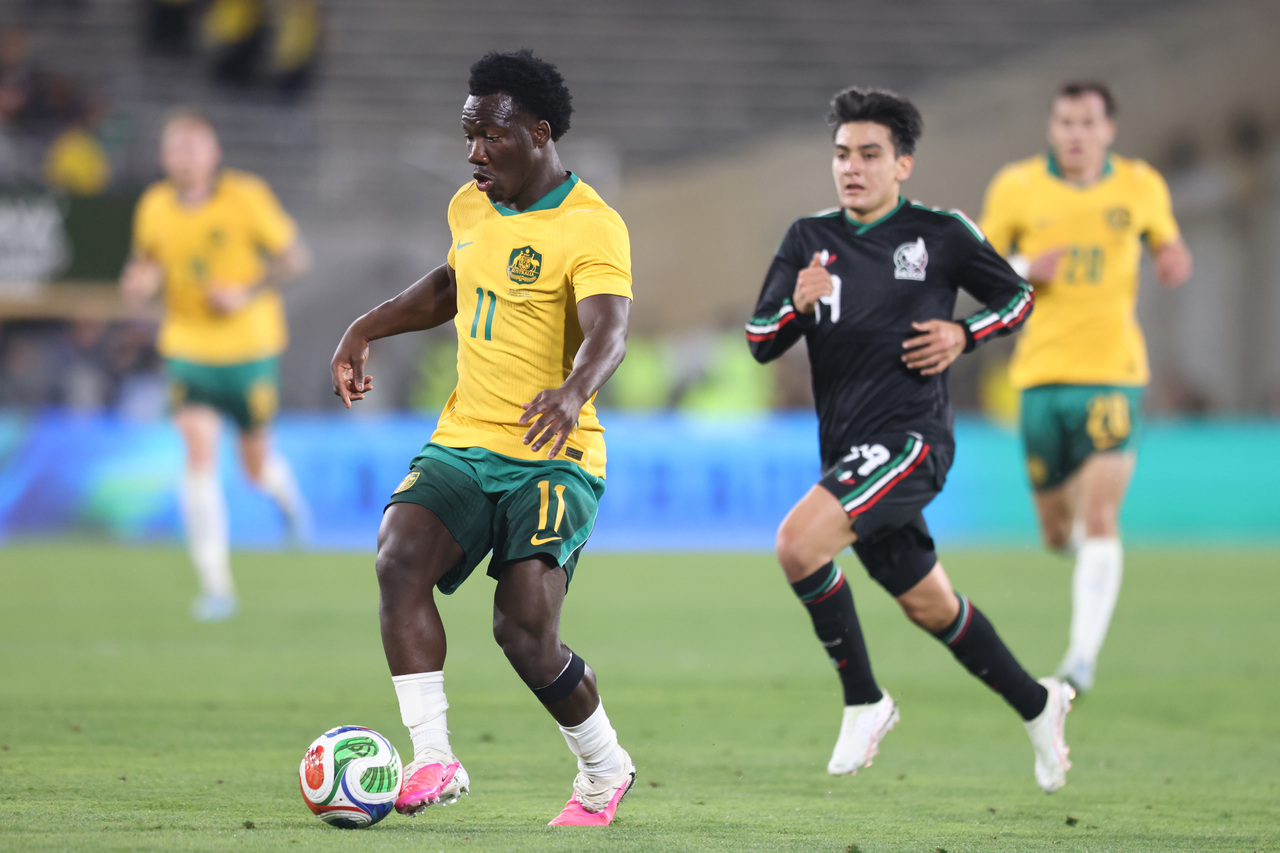
A young prospect who was at... Bayern Munich. @Getty / LUIZA MORAES
He is probably the most exciting player in Australia’s new generation. Fast, unpredictable and capable of creating danger from almost any situation, he can use this World Cup to introduce himself to a global audience once and for all. Expectations around the winger have followed him since his teens, when he began standing out for Adelaide United at just 15. His move to Bayern Munich and later switch to Watford helped speed up his development. With impressive acceleration and an easy shot, Irankunda could be Australia’s main weapon in transition attacks.
Other key players: Mat Ryan (Lens), Harry Souttar (Leicester City), Craig Goodwin (Al-Wehda), Connor Metcalfe (St. Pauli) and Cameron Burgess (Swansea City)
Turkey
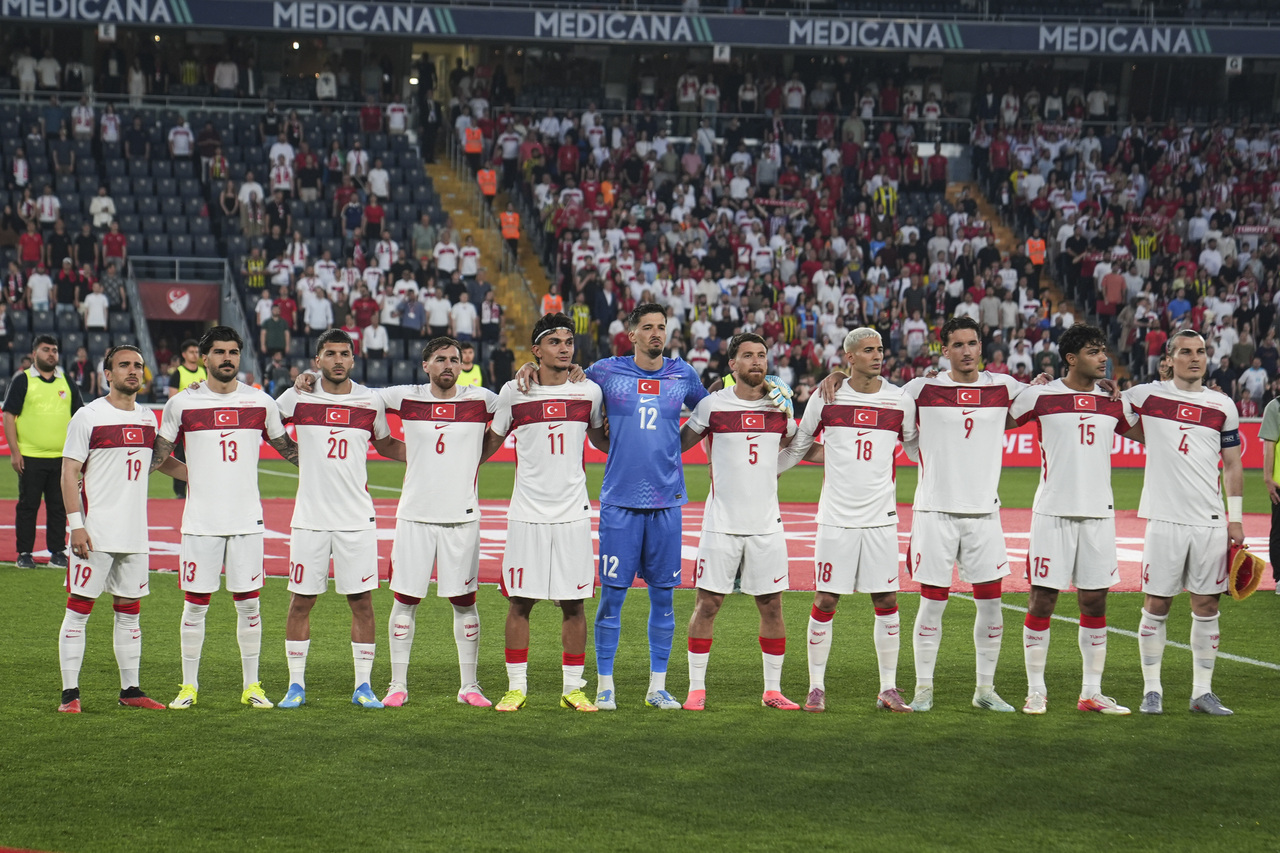
@Getty / Anadolu
Number of appearances: two
Best finish: third place (2002)
Talent has never been Turkey’s problem. Over the last two decades, several generations have emerged capable of exciting fans, but few have managed to turn that potential into truly consistent campaigns. A return to the World Cup, 24 years later, is another chance to change that narrative.
The raw material is impressive. Arda Güler and Kenan Yildiz lead a new wave of talent, Hakan Çalhanoğlu remains a reference point in European football, and names like Orkun Kökçü and Kerem Aktürkoğlu add quality and experience to the group.
The big question is stability. Historically, the Turkish national team has alternated between brilliant moments and hard-to-explain downturns. Vincenzo Montella seems to have found some balance, which helps justify a slight favourite status in such an open group.
The coach - Vincenzo Montella

He led Turkey at Euro 2024
After a successful playing career, Vincenzo Montella found one of the most interesting projects of his coaching journey in Turkey. The Italian coach managed to make the team more balanced without taking away the attacking prominence that makes it special. His biggest achievement has been creating stability in a side that for many years swung between huge excitement and deep disappointment. Montella built a united group, developed the new generation and restored the feeling that Turkey can compete with anyone. Twenty-four years later, the country returns to the World Cup with real reasons to believe.
The star - Arda Güler
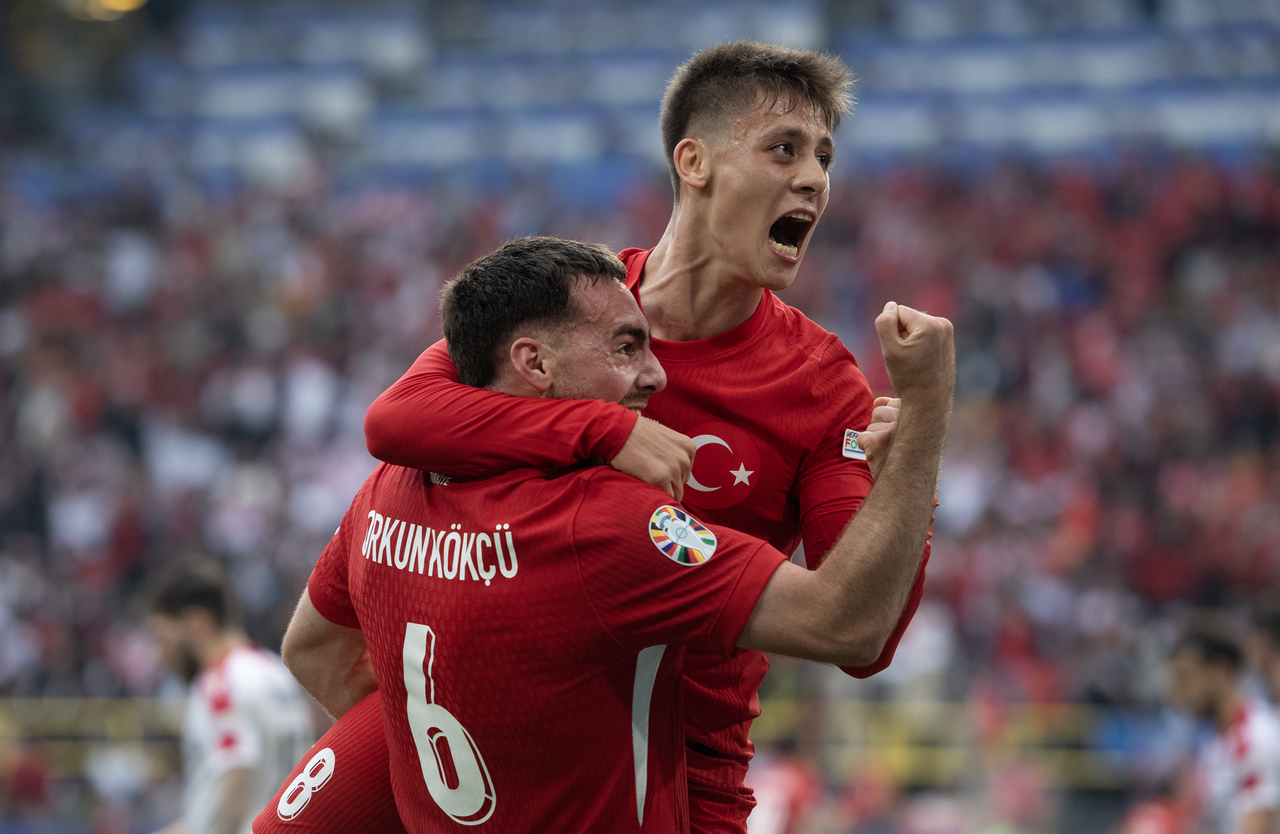
The ultimate expression of Turkish talent
It is impossible to talk about Turkey without starting with Arda Güler. At 21, the Real Madrid playmaker is already the team’s main symbol and one of the most exciting players in the entire tournament. The talent is obvious; now the question is how far he can take the team. His influence on Turkish play is greater than many might think. During qualifying, he was involved in almost half of Turkey’s goals in the matches he played and arrives at the World Cup after establishing himself at one of the biggest clubs in the world. Few players in Group D carry as many expectations as he does.
One to watch - Kenan Yildiz

A step below Arda Guler, but still one of Turkey’s biggest raw talents
Less high-profile than Arda, but just as promising. The forward stands out for his mobility, versatility and ability to decide matches. In a tournament like this, he has all the tools to become one of the most talked-about names in the group stage. The season leading into the World Cup helped reinforce that idea. With a rare combination of physical power, pace and technical quality, Yildiz arrives in the United States in one of the best moments of his career. Born in Germany and a Turkey international from a young age, he is seen by many as one of the biggest talents in European and world football. If he proves that here, Turkey will gain a major weapon in the fight for qualification.
Other key players: Hakan Çalhanoğlu (Inter), Orkun Kökçü (Besiktas), Kerem Aktürkoğlu (Fenerbahçe), Merih Demiral (Al-Ahli) and Ferdi Kadıoğlu (Brighton)
World Cup Group D